When we speak of biodiversity —the variety of living beings, ecosystems, and ecological relationships— we must also recognize the cultural diversity that gives it meaning.
At COP30, this special focus should not only highlight species, forests, and wetlands, but also the peoples, languages, worldviews, and memories that make our planet rich and plural.
Peoples, communities, and languages: the human fabric of the territories
Colombia is a vivid example of the deep interconnection between culture and nature. Within its borders live more than 100 recognized Indigenous peoples, alongside Afro-descendant, Raizal, and Palenquero communities —each with its own history, language, and relationship with the land.
Many of these languages are now at risk of disappearing, and with them, ancient knowledge about plants, animals, and the cycles of water and time. In every language lives a distinct way of understanding life —of naming the forest, reading the rivers, and honoring the Earth.
Indigenous and Afro-descendant communities have long been guardians of natural territories through their ancestral practices: traditional agriculture, agroforestry systems, rituals of gratitude, and sustainable management of natural resources. In many cases, their wisdom has sustained healthy ecosystems for centuries, long before environmental policies or compensation mechanisms existed.
At COP30, the dialogue between science and culture will be crucial to advancing toward truly just solutions. Recognizing the voices, knowledge, and languages of Indigenous peoples is not a symbolic act—it is a vital condition for facing the climate crisis.
The Circle of Peoples: ancestral voices at the heart of COP30
One of the most meaningful spaces at this Conference will be the Circle of Peoples, a forum dedicated to ensuring the direct participation of Indigenous, Afro-descendant, and traditional communities in climate negotiations.
This space seeks not only to include their perspectives but also to acknowledge their historic role as guardians of the land. Through ancestral knowledge, ceremonies, and oral traditions, these communities have sustained the planet’s balance long before international conventions existed.
The Circle of Peoples thus represents an opportunity to design climate solutions not from a distance, but from the living experience of those who inhabit and care for the Earth every day.
Living knowledge and cultural justice
Languages and traditions are also ways of conserving nature. Each Indigenous or Afro-descendant word carries a way of relating to the territory and a guide on how to protect it. The loss of those languages means a direct loss of ecological and cultural knowledge.
That is why cultural diversity must take a central place in the climate agenda. Ensuring multilingual spaces, respecting ancestral participation protocols, and recognizing the authority of traditional knowledge are essential steps toward true climate justice.
The Community Forests: conserving also means preserving culture
In this context, The Community Forests has emerged as an example of how climate action can align the protection of forests with the dignity of communities.
Its REDD+ projects in Indigenous and Afro-descendant territories of Colombia promote forest conservation, biodiversity protection, and the strengthening of local governance. Beyond capturing carbon, they aim to keep alive the traditions, languages, and knowledge that sustain these territories.
Each initiative led by The Community Forests shows that there is no conservation without culture —and that the forest guardians are, above all, guardians of life itself.
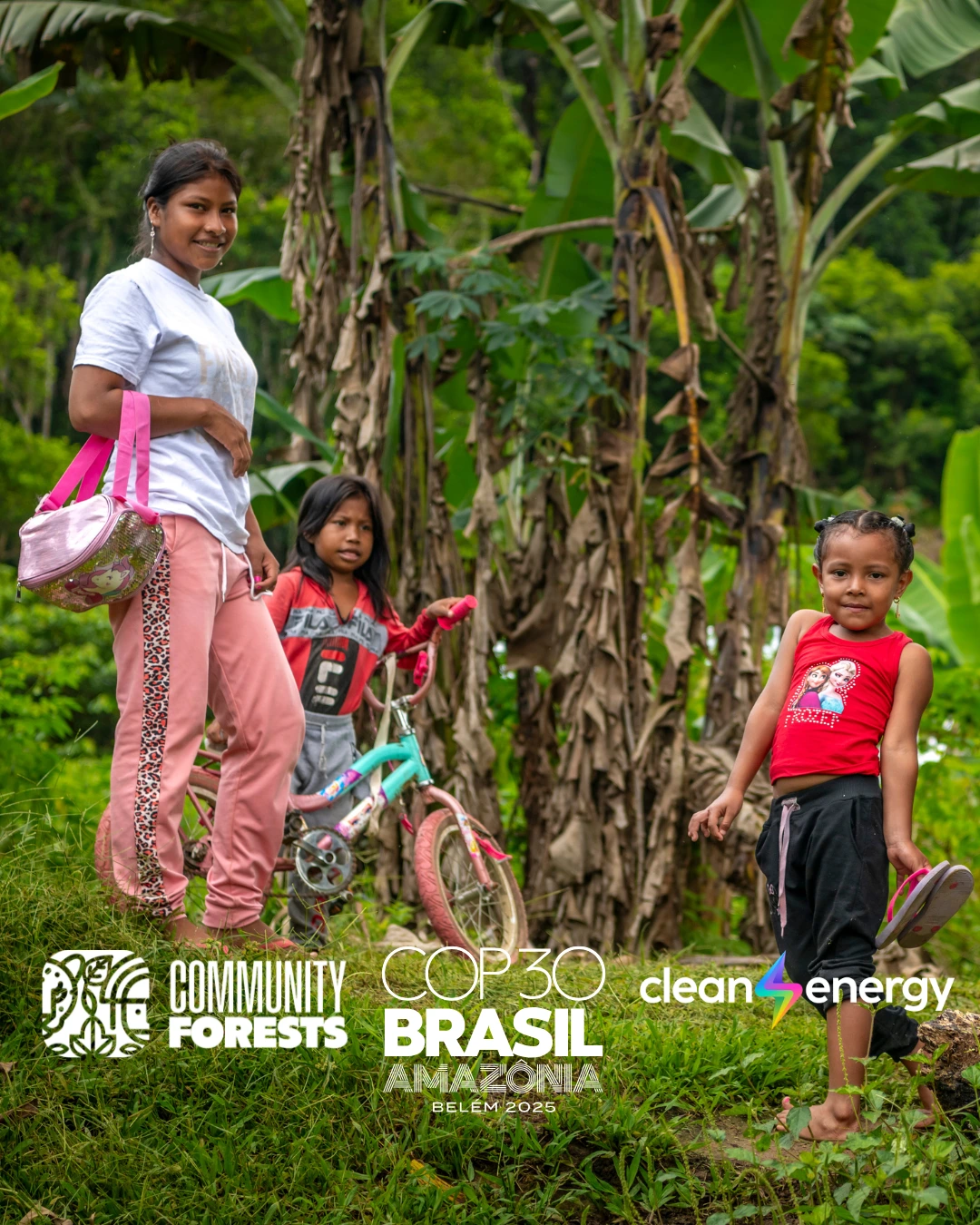
Photo by: @nikolasjacob.